
The Role of Injected Technology
in Revolutionizing the Footwear Industry
Innovation within the footwear industry has perpetually evolved, with manufacturers continually seeking groundbreaking methods to enhance comfort, durability, and performance. Among the numerous technological advancements, the integration of injected technology has emerged as a pivotal force reshaping the landscape of footwear production.
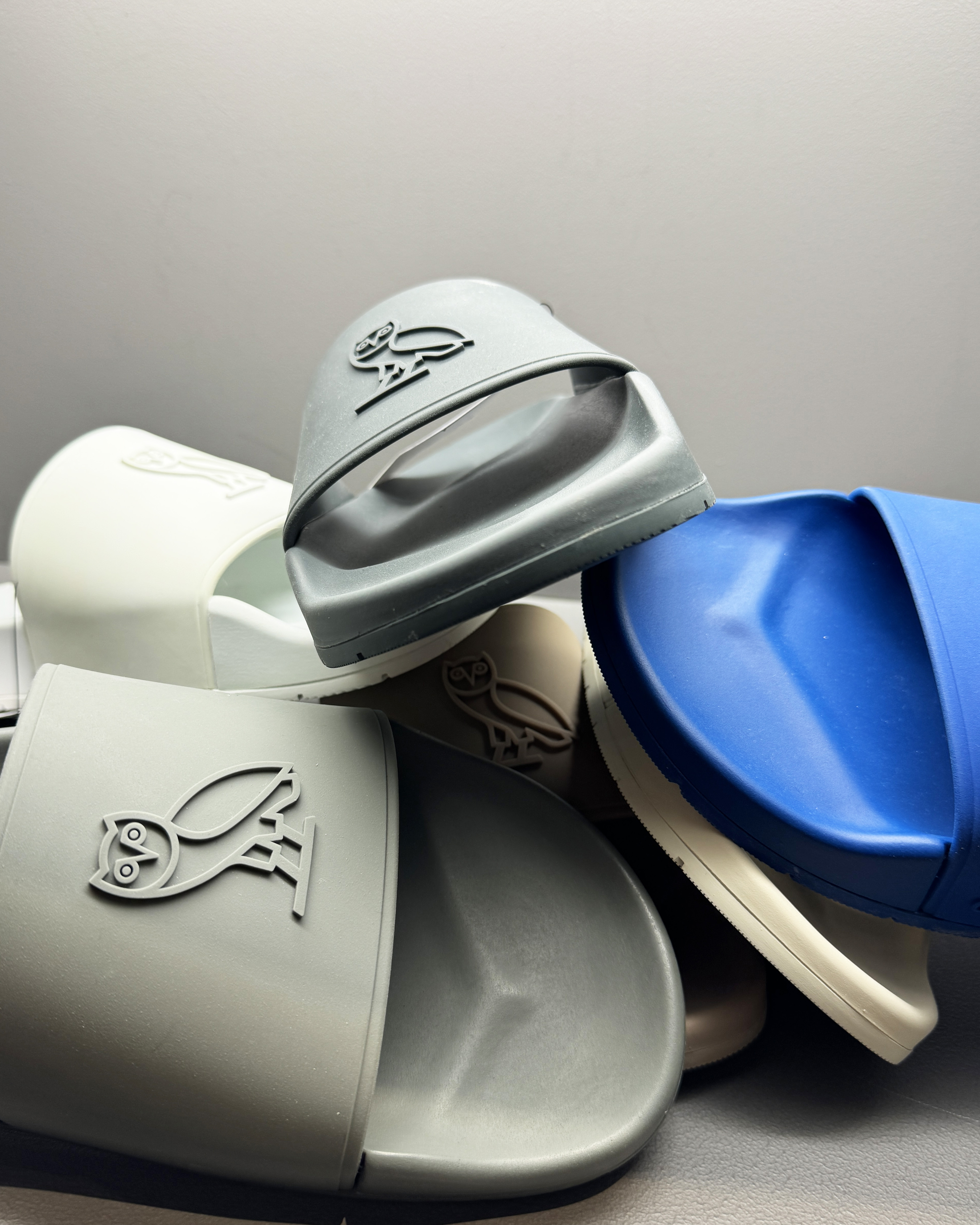
Injected technology, particularly in the form of injected molded soles, has revolutionized the footwear manufacturing process. It involves injecting molten materials, such as thermoplastic polyurethane (TPU) or ethylene-vinyl acetate (EVA), into molds to create the shoe's sole unit. This method offers several advantages over traditional manufacturing techniques, including increased durability, flexibility, and design versatility.
One of the primary benefits of injected technology lies in its ability to produce seamless structures. Unlike traditional construction methods that involve stitching or gluing multiple components together, injected molding allows for the creation of single-piece soles that eliminate weak points and potential areas of failure. This seamless construction not only enhances the shoe's durability but also provides a more comfortable and supportive fit for the wearer.
Moreover, injected technology enables manufacturers to achieve greater precision and consistency in the production process. The automated nature of injection molding ensures uniformity in the shape, density, and thickness of the sole units, resulting in enhanced performance characteristics across all pairs of shoes produced. This consistency is crucial for athletes and individuals seeking reliable footwear that can withstand rigorous activities and environments.
Another significant advantage of injected technology is its capacity for innovation in design and customization. Manufacturers can experiment with different materials, colors, and textures to create unique sole designs that cater to diverse consumer preferences. Additionally, the flexibility of injected molding allows for the integration of specialized features, such as cushioning systems, stability elements, and traction patterns, tailored to specific sports or activities.
Furthermore, injected technology contributes to sustainability efforts within the footwear industry. By optimizing material usage and minimizing waste through efficient production processes, manufacturers can reduce their environmental footprint significantly. Additionally, the durability and longevity of injected molded soles contribute to the overall sustainability of footwear by prolonging product lifespan and reducing the need for frequent replacements.
The widespread adoption of injected technology has not only transformed the manufacturing process but has also influenced consumer behavior and expectations. As consumers become increasingly discerning about the performance, comfort, and sustainability of their footwear, manufacturers must continue to innovate and leverage advanced technologies to meet evolving demands.
Looking ahead, the future of injected technology in the footwear industry appears promising. Continued research and development efforts are likely to lead to further enhancements in material properties, manufacturing processes, and design capabilities. Moreover, advancements in additive manufacturing techniques, such as 3D printing, hold the potential to revolutionize the customization and personalization of footwear on a mass scale.


