The Rise of Smart Textiles:
Where Fashion Meets Performance and Functionality
In 2025, the textile industry stands at the intersection of fashion and technology.
What Are Smart Textiles
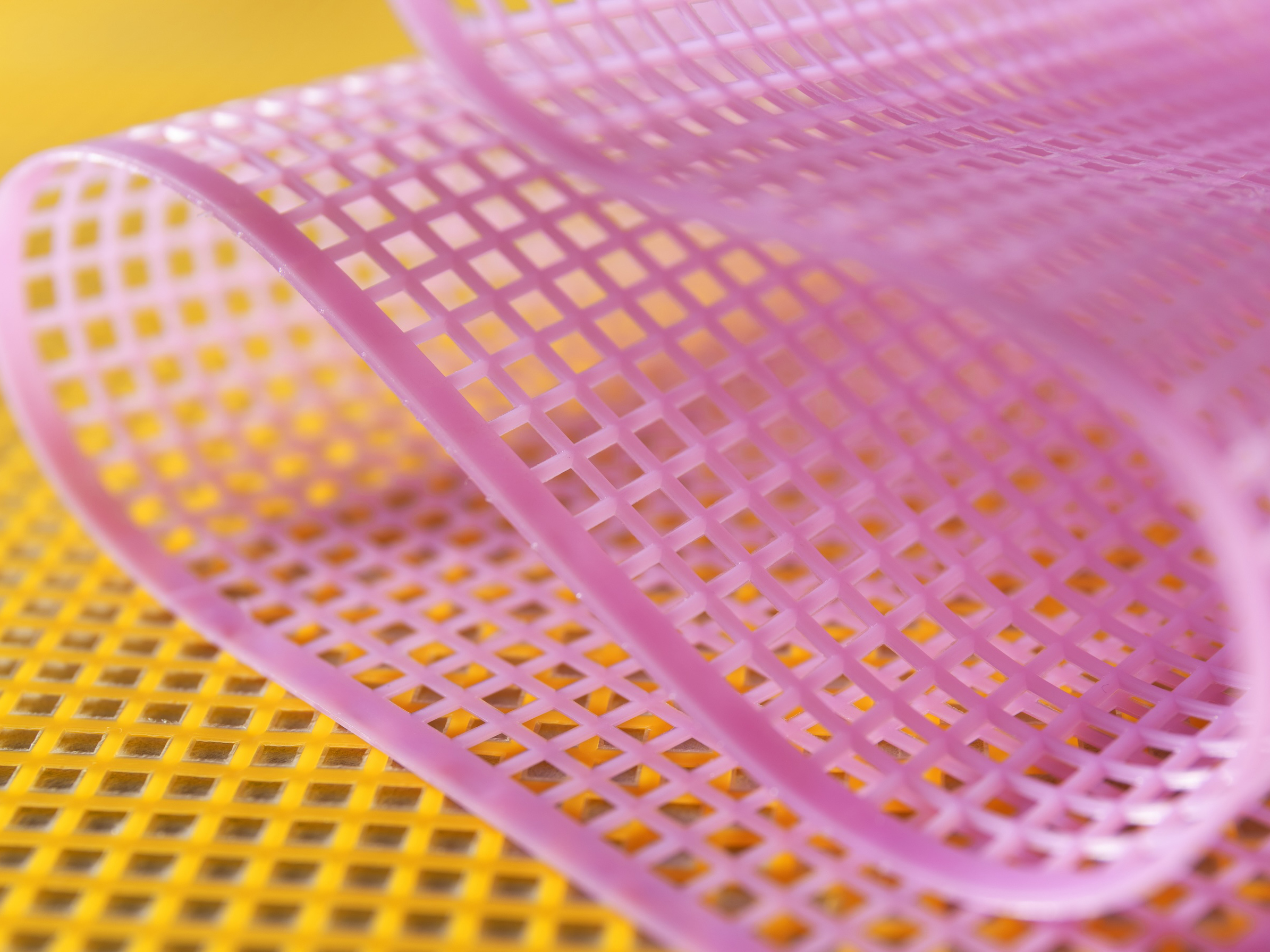
Smart textiles — also known as e-textiles or functional fabrics — are materials designed to interact with the environment or the wearer. They can sense, react, and adapt to external stimuli such as temperature, humidity, or movement.
There are two main types:
- Passive smart textiles, which respond to external conditions (e.g. temperature-regulating or moisture-wicking fabrics).
- Active smart textiles, which incorporate sensors, microchips, or conductive fibres to perform functions like monitoring health metrics or changing colour in response to stimuli.
What makes them truly revolutionary is how they combine comfort, performance, and data — redefining what clothing can do.
Innovation in Action
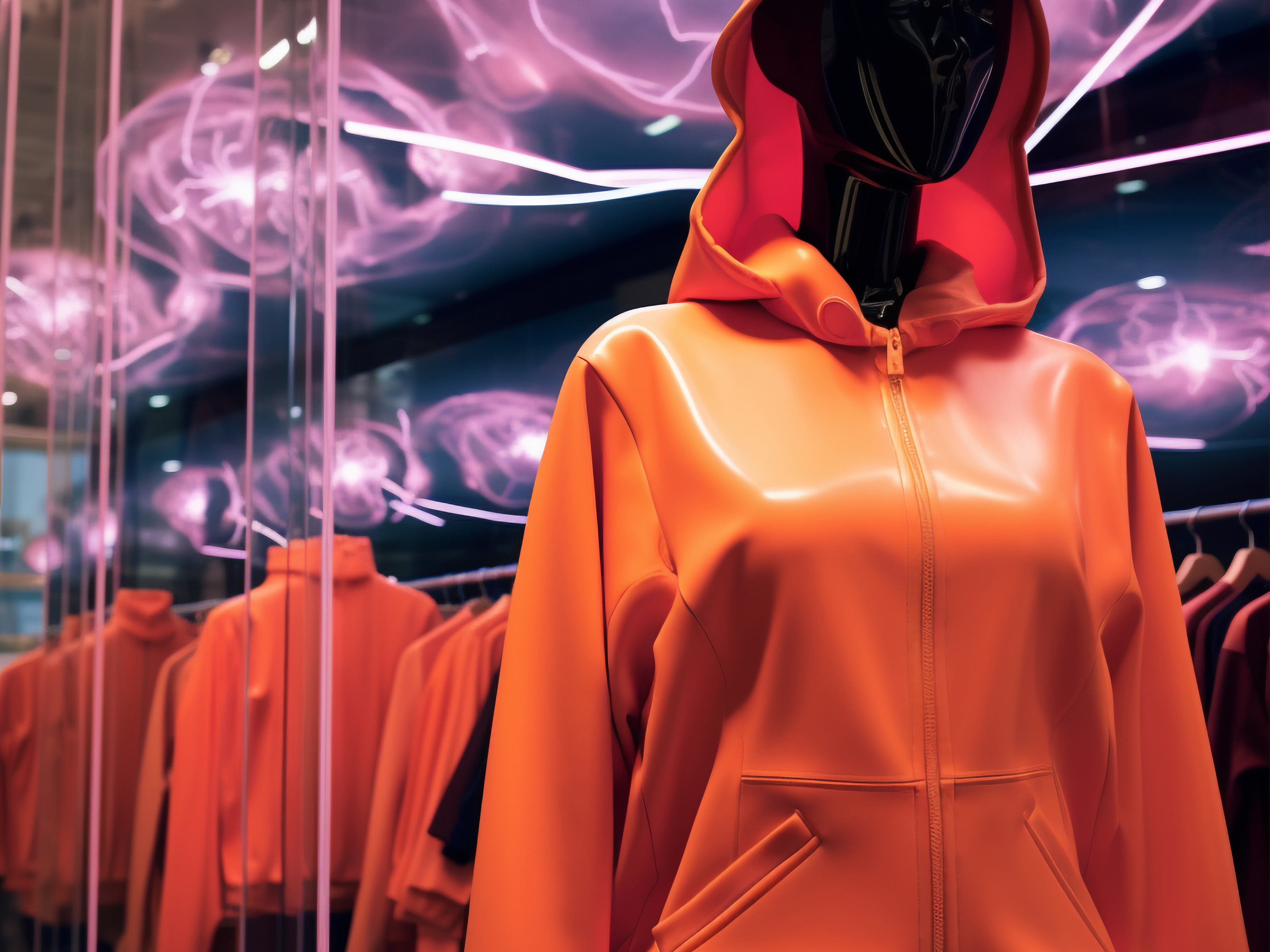
Across the globe, research centres and manufacturers are pushing boundaries with materials that serve multiple purposes:
- Thermoregulating fabrics that adjust insulation depending on body temperature.
- Antimicrobial textiles that fight bacteria and odour, improving hygiene and longevity.
- Moisture and UV-resistant finishes designed for sportswear and outdoor use.
- Sensor-integrated garments that track heart rate, posture, or muscle activity.
The applications stretch from athleisure and medical textiles to defence, automotive, and space industries — proving that functionality is now as important as fashion.

Opportunities for Portugal’s Textile Industry
Portugal has long been recognised as one of Europe’s textile powerhouses — known for its craftsmanship, flexibility, and innovation. Smart textiles present an opportunity to strengthen this position on the global stage.
By combining Portugal’s technical expertise with new R&D partnerships, local manufacturers can:
- Integrate advanced fibres and coatings into existing production lines.
- Collaborate with tech companies and universities to develop functional prototypes.
- Differentiate themselves in high-value segments such as sportswear, medical textiles, and performance fashion.
Smart textiles could also help Portuguese factories reduce dependence on traditional mass-production models, shifting toward high-tech, low-volume, high-margin products.
Challenges and Considerations
While the potential is enormous, producing smart textiles requires:
- Investment in technology and skilled labour, especially in areas like electronics integration and data analysis.
- New sustainability strategies, since combining materials (e.g. fibres with electronic components) can complicate recycling.
- Consumer education, as buyers need to understand the value and proper care of these advanced fabrics.
Balancing innovation, cost, and environmental responsibility will be the key to long-term success.
The Future of Fashion Is Intelligent
Smart textiles are transforming the way we think about clothing — from passive apparel to interactive experiences. They represent a future where design, function, and sustainability work hand in hand.
For Portugal’s textile industry, the message is clear: those who embrace technology and rethink traditional manufacturing will lead the next chapter of global fashion innovation.


